Global Overview of AI Regulatory Frameworks in 2026
By early 2026, over 72 countries have rolled out more than 1,000 AI policy initiatives, ranging from binding laws to voluntary guidelines. The focus? Risk-based approaches that classify AI systems by potential harm—minimal risk gets a pass, while high-risk (e.g., in hiring or healthcare) faces strict scrutiny. International bodies like the OECD, UN, G7, and Council of Europe are pushing for harmonized standards, but fragmentation persists: The EU leads with comprehensive rules, the US favors sector-specific tweaks, China emphasizes state control, and emerging markets like Pakistan are building foundational policies.
Here's a visual map of global AI governance trends to illustrate the spread:
Key challenges include enforcement delays (e.g., EU proposals to push back high-risk rules to 2027), deregulatory pushes in the US, and ethical concerns like AI-assisted research acceleration that could outpace regulations. Gartner predicts half of governments will mandate AI compliance by year-end, emphasizing privacy and responsible use.
Major Regional Frameworks
Let's compare the big players using a table for clarity. This highlights approaches, key dates, and focus areas based on 2026 updates.
| Region/Country | Key Framework | Approach | Key 2026 Milestones | Focus Areas |
|---|---|---|---|---|
| European Union | EU AI Act | Risk-based, comprehensive horizontal law. Prohibits unacceptable risks (e.g., social scoring); mandates transparency for high-risk systems. | Full applicability Aug 2, 2026 (with potential delays for high-risk to Dec 2027 via Digital Omnibus proposal). | Bias mitigation, human oversight, data governance. Fines up to €35M or 7% of global turnover. |
| United States | Patchwork: State laws (e.g., California SB 1047, Colorado AI Act) + Federal EO 14365 (Dec 2025). | Sector-specific, innovation-friendly. Federal push to preempt "burdensome" state rules for national standards. | Jan 1, 2026: California law effective (retroactive to 2022). Feb 1, 2026: Colorado rules kick in. Federal agencies to challenge conflicting state laws. | Transparency, risk assessments for developers/deployers. Emphasis on competitiveness over strict bans. |
| China | AI Oversight Regulations + National Guidelines. | State-centric, with heavy monitoring and data sovereignty. | Ongoing enforcement; 2026 sees tighter controls on generative AI. | Ethical alignment with "core socialist values," content moderation, export controls on tech. |
| Asia-Pacific (e.g., South Korea, Japan) | South Korea: AI Framework Act (Jan 2025). Japan: Voluntary guidelines evolving. | Balanced: Innovation with safety nets. | 2026: Enhanced transparency/safety in Korea; Japan focuses on R&D support. | Consumer rights, bias prevention, with lighter penalties than EU. |
| Pakistan | National AI Policy 2025 (Approved July 2025). | Six-pillar framework: Innovation ecosystem, awareness, security, transformation, infrastructure, partnerships. | Feb 2026: Indus AI Week launches; targets 1M trained experts by 2030, National AI Fund, Centers of Excellence in 7 cities (including Peshawar?). | Ethical governance, data protection via PECA, but gaps in binding laws—calls for human rights assessments and stronger privacy rules. Aligns with global norms but focuses on local challenges like inclusive growth. |
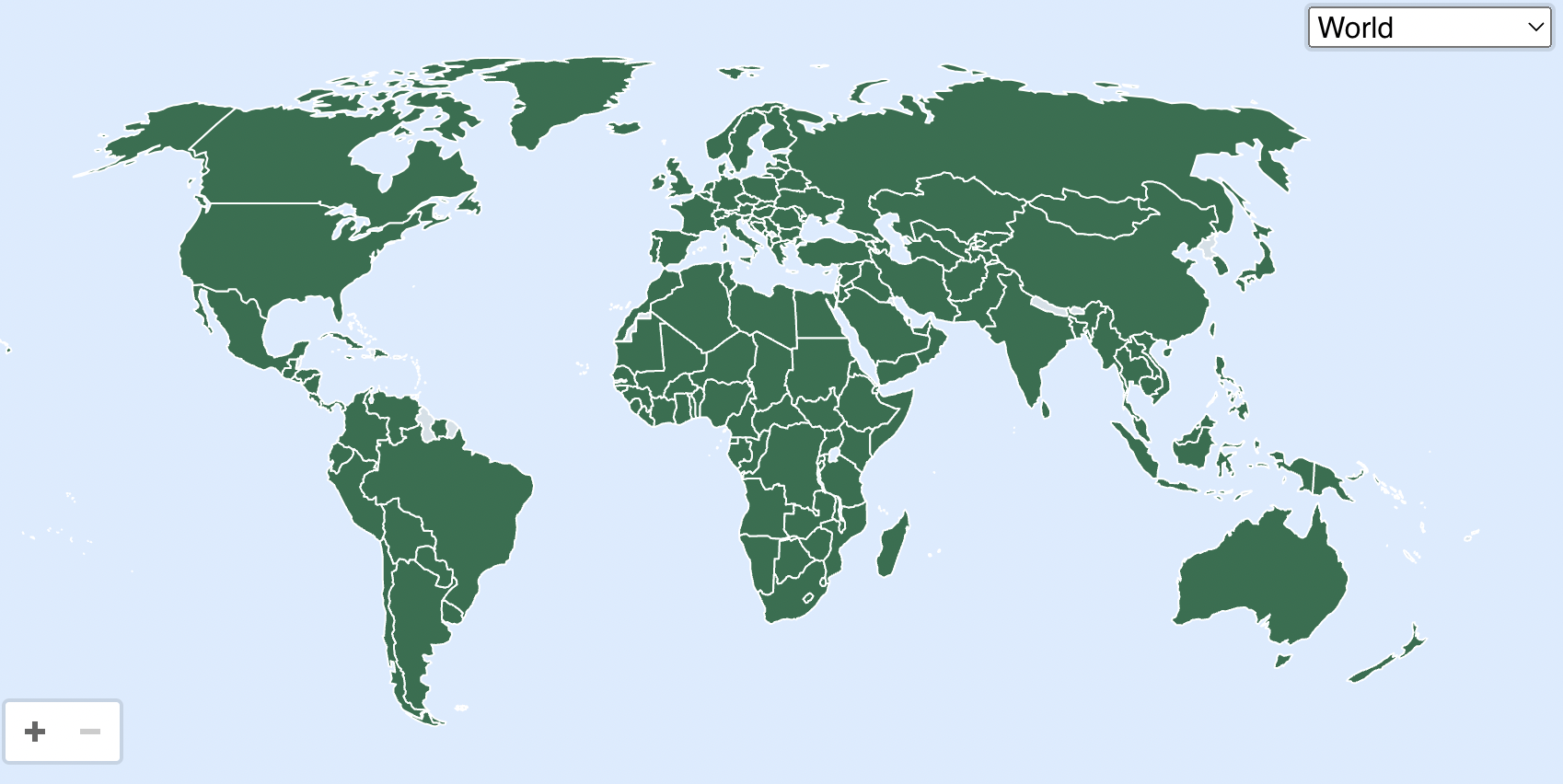
For a deeper global tracker, check this map:
International Efforts and Trends
Beyond national laws, 2026 sees ramped-up global collaboration:
- UN and OECD: UN's Independent International Scientific Panel on AI (est. 2025) advises on governance; OECD updates trustworthy AI principles, tracking 72+ countries' policies.
- G7 and Council of Europe: AI Hiroshima Process evolves; CoE's AI Convention emphasizes human rights.
- Africa and ASEAN: Continental AI Strategy for ethical adoption; ASEAN focuses on regional harmony.
Trends? Agentic AI (autonomous systems) faces new scrutiny, with calls for multi-million fines and sandboxes for testing. Businesses should adopt frameworks like NIST AI RMF for compliance.
Challenges and What It Means for You
Regulatory fragmentation could burden cross-border ops—e.g., EU fines vs. US flexibility. In Pakistan, while the policy boosts jobs and innovation (e.g., 20K internships), watch for updates on data protection bills to fill gaps. If you're in tech, start with risk assessments and ethical audits.
For more on how regulations might shape AI agents' future, dive into that Moltbook piece. External resources: OECD's AI Policy Dashboard or the International AI Safety Report 2026 for risks. If you need specifics on a region or tool, just ask! 🚀
Comments
Leave your comments below.