AI Job Impact and Ethics in 2026: Displacement, Automation, Concerns, and Career Readiness
Table of Contents
- AI Job Displacement: The Numbers Behind the Fear
- Artificial Intelligence Taking Jobs: Myths vs. Reality
- AI Workplace Automation: Transforming Daily Work
- AI Ethical Concerns: Bias, Privacy, and Power
- AI Idea Sharing: What Communities Are Saying
- AI Career Readiness: Steps to Stay Ahead
- Wrapping Up: Balancing AI's Promise and Pitfalls
AI Job Displacement: The Numbers Behind the Fear
AI job displacement is no longer sci-fi—it's hitting headlines in 2026. According to the IMF, nearly 40% of global jobs are exposed to AI changes, with fears of mass layoffs spiking from 28% in 2024 to 40% now. In advanced economies like the US, Goldman Sachs predicts AI could replace up to 300 million full-time jobs by 2030, with manufacturing seeing 2 million losses by year-end. But it's not all doom: The World Economic Forum estimates 85 million jobs displaced by 2026, offset by 97 million new ones in AI-related fields.
Visualize the global divide:
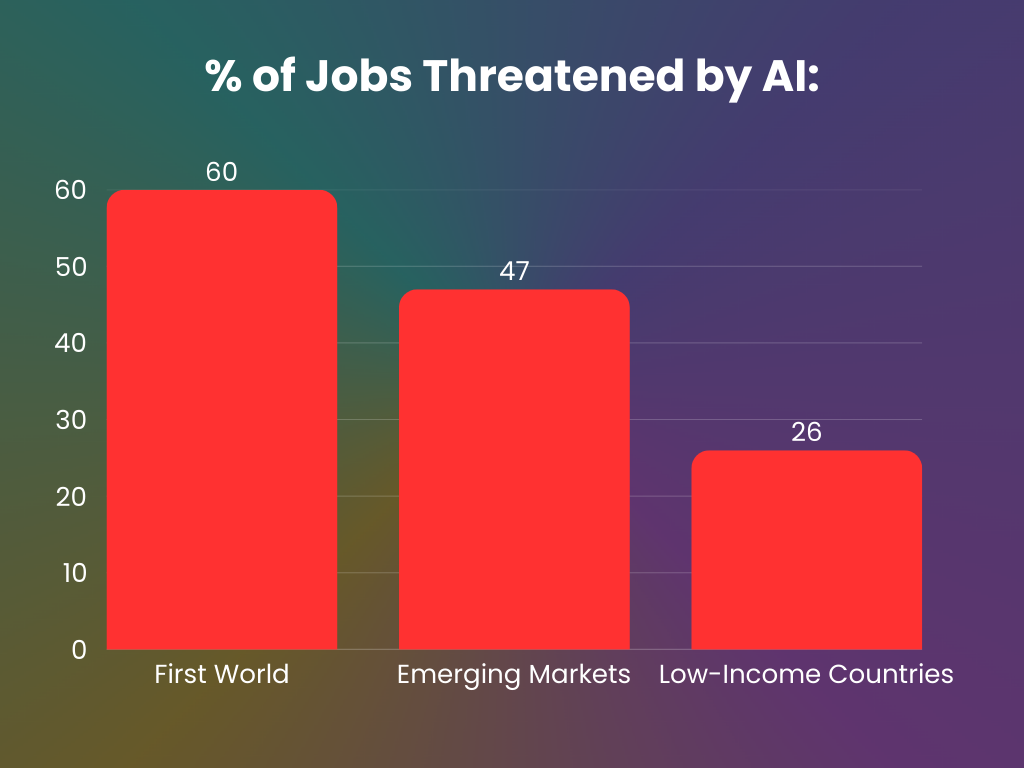
In emerging markets like Pakistan, AI job displacement could hit harder in low-skill sectors, but opportunities in tech hubs like Khyber Pakhtunkhwa might balance it. Reddit threads echo this worry: One user in r/investing asks if disruptions are temporary, with responses noting wages drop but markets rebound long-term. Short-term? Expect layoffs in routine tasks; long-term, adaptation via reskilling could mitigate it.
For more stats, check this IMF report on AI's labor impact (dofollow link for authority).
Artificial Intelligence Taking Jobs: Myths vs. Reality
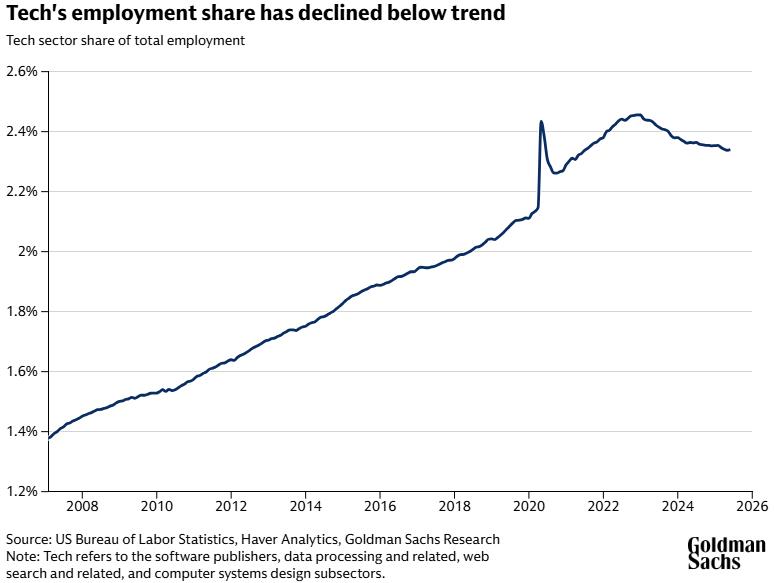
Is artificial intelligence taking jobs? Yes and no. In 2025, companies like Amazon and Pinterest cited AI for 55,000 cuts—up 12x from 2023. Forrester forecasts a 6% net US job loss by 2030 (10.4 million positions), half from generative AI. But myths abound: AI isn't "stealing" jobs wholesale; it's automating tasks, like in coding or customer service, leading to reorganization rather than total elimination.
Reality check: Entry-level roles are hardest hit, with a 3.6% employment drop in AI-vulnerable occupations. Microsoft lists 40 exposed jobs, including teachers and journalists. Yet, PwC's barometer shows AI-exposed industries grow revenue 3x faster, creating value. In Pakistan, artificial intelligence taking jobs in textiles might displace workers, but it could boost efficiency in IT exports.
See the trend in this graph:
Debunk the hype with this CBS News analysis on AI layoffs (dofollow for backlink juice).
AI Workplace Automation: Transforming Daily Work
AI workplace automation is like a tsunami, per IMF's Kristalina Georgieva—boosting growth by 0.8% but unprepared businesses face chaos. Deloitte's 2026 report notes firms redesigning careers (33%) and skills (30%), but few re-architect roles fully. Amazon's AI "agents" shrink white-collar jobs, shifting workers to new tasks.
In offices, AI workplace automation handles grunt work, freeing humans for creativity. But resistance grows: HBS research shows people value "human touch" in roles like teaching. Reddit preppers discuss prepping for disruptions, suggesting skill diversification. For Peshawar's growing tech scene, this means automating admin in startups, but ethical rollout is key to avoid backlash.
Explore more via this Harvard Business Review on 2026 work trends (dofollow external).
AI Ethical Concerns: Bias, Privacy, and Power
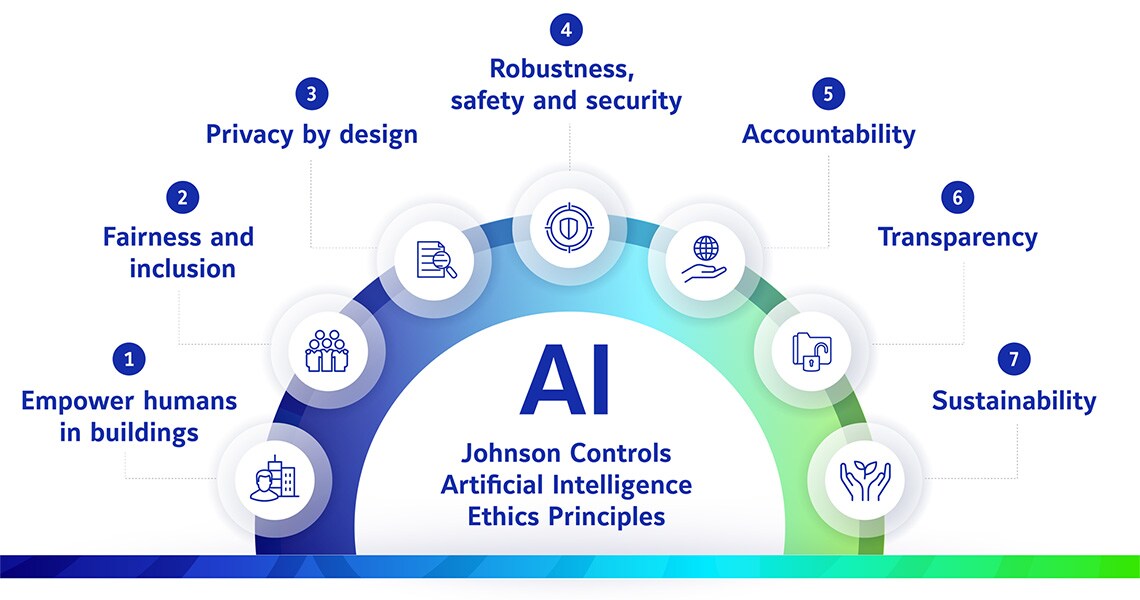
AI ethical concerns dominate 2026, with trends like bias audits and transparency mandates. Forbes predicts redefined trust via ethics, tackling bias (77% of firms need better tools) and privacy erosion. Key issues: Algorithmic bias in hiring (EEOC enforcement up), deepfakes, and environmental racism from data centers.
Power consolidation is huge—AI reinforces inequalities, per experts like Leon Furze. Global South labor exploits for training, plus "AI psychosis" risks. Investments in ethics hit $10B+.
Here's a principles diagram:
Address AI ethical concerns with this Clarifai guide on AI risks (dofollow).
AI Idea Sharing: What Communities Are Saying
AI idea sharing in forums reveals mixed vibes. On X, devs discuss ethical dilemmas like AI automating Global South jobs. Artists argue no ethical AI use due to plagiarism and exploitation. Historians highlight cognitive deficits in kids.
Reddit's r/Futurology notes 10K monthly AI losses, but context: 2M US job losses monthly overall. r/changemyview debates massive displacement, with society suffering if unaddressed. AI idea sharing fosters readiness—share your thoughts in comments!
Join discussions on Reddit's AI threads (dofollow).
AI Career Readiness: Steps to Stay Ahead
Boost AI career readiness now. WEF predicts 170M new jobs by 2030. Tips: Learn AI tools (3% wage premium for new skills), focus on judgment and context. Brookings measures adaptation via reskilling.
For Tania in Peshawar: Upskill via local hubs or online—pair human strengths with AI. Avoid vulnerability in exposed roles.
Prep with this Nexford guide on AI jobs (dofollow).
Wrapping Up: Balancing AI's Promise and Pitfalls
In 2026, AI job impact and ethics demand balance—displacement is real, but so are opportunities. Ethical frameworks are key to fair automation. For deeper dives into AI agents, check our internal piece on Moltbook AI Agents: The Powerful Future.
Comments
Leave your comments below.