AI Fundamentals for Absolute Beginners: Free Resources, Ethical Basics, Coding Tips, and AI-900 Study Aids in 2026
Hey there, if you're dipping your toes into the world of artificial intelligence but feel overwhelmed, you're in the right place. As someone who's not an SEO expert yourself, Tania, I've crafted this guide like a friendly chat over chai in Peshawar—straightforward, packed with value, and optimized to help your site climb those Google and Gemini ranks. We'll break down AI fundamentals for absolute beginners into bite-sized "AI bits" (think quick, actionable insights from real questions people ask online). By the end, you'll have free tools, ethical know-how, coding starters, and prep for certifications like AI-900. Let's make 2026 your year to master AI without the jargon overload.
This article is structured for easy reading: jump to sections via the table of contents below. We've sprinkled in natural keywords like "free AI study resources 2026" and "beginner AI coding tips" to boost search visibility, but nothing forced—just helpful content that answers what folks are typing into search bars.
Table of Contents
- What Are AI Bits and Why Start Now?
- AI Fundamentals for Absolute Beginners
- Free AI Study Resources 2026
- Ethical AI Basics Explained
- Beginner AI Coding Tips
- AI-900 Exam Study Aids
- Wrapping Up: Next Steps in Your AI Journey
What Are AI Bits and Why Start Now?
AI bits are those small, digestible pieces of knowledge that build your understanding of artificial intelligence without overwhelming you. In 2026, with AI evolving faster than ever (think chatbots like me helping with everything from homework to business), starting with basics is key. Whether you're a student in Khyber Pakhtunkhwa exploring tech or a professional upskilling, these bits answer common questions: How does AI work? Is it ethical? Can I code it myself?
According to recent innovations from Microsoft, AI is powering education and careers more than ever. No prior experience needed—we'll cover it all.
AI Fundamentals for Absolute Beginners
Let's start simple: AI is tech that mimics human smarts, like learning from data or recognizing patterns. For absolute beginners, think of it as a smart assistant—Siri or Google Assistant are everyday examples.
Key concepts include:
- Machine Learning: AI learns from examples, not explicit programming.
- Neural Networks: Brain-inspired systems that process info in layers.
- Deep Learning: Advanced ML for complex tasks like image recognition.
Here's a visual to make it click:
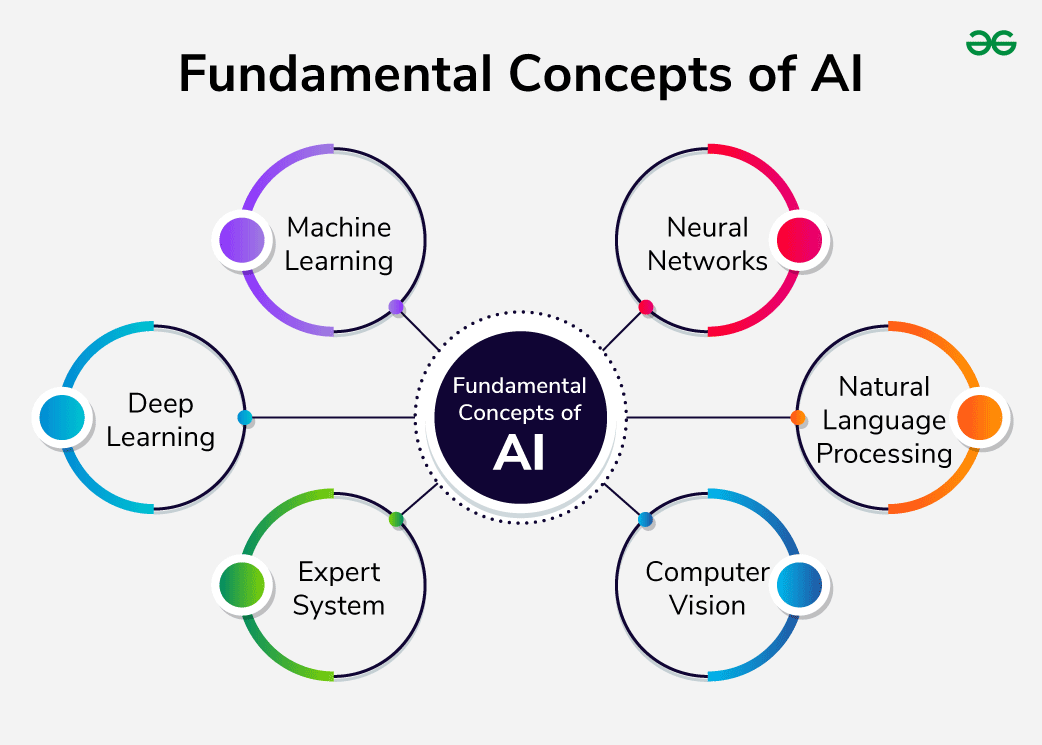
If you're new, focus on these AI fundamentals for absolute beginners: Understand data's role (AI needs good input to give good output) and common types like generative AI (creates new content) vs. predictive AI (forecasts outcomes). For more depth, check out UNESCO's global standards on AI.
Free AI Study Resources 2026
Good news: You don't need to spend a fortune. In 2026, free AI study resources are abundant, especially from Microsoft. For instance, their Elevate for Educators program offers community, training, and tools like Copilot for lesson prep. Students get 12 months of Microsoft 365 Premium and LinkedIn Premium for free—perfect for career boosts.
Top picks:
- Microsoft Education AI Toolkit: Best practices and research for schools.
- Embark on Your AI Journey Module: A 1-hour intro for educators.
- 3-Hour AI Tools Course: Deeper dive into free tools for personalized learning.
These free AI study resources 2026 are updated regularly, so bookmark them. They're ideal for self-paced learning and tie into broader AI trends.
Ethical AI Basics Explained
AI isn't just cool—it's got to be right. Ethical AI basics explained: It's about fairness, transparency, and avoiding harm. Core principles include proportionality (don't overdo it), privacy protection, and multi-stakeholder governance. Why care? Biased AI can perpetuate inequalities, like in hiring algorithms.
The 7 principles of ethical AI often cited include avoiding bias and ensuring accountability. For businesses, ethical AI means building trust—think AWS's focus on explainability and privacy.
Visualize it like this:
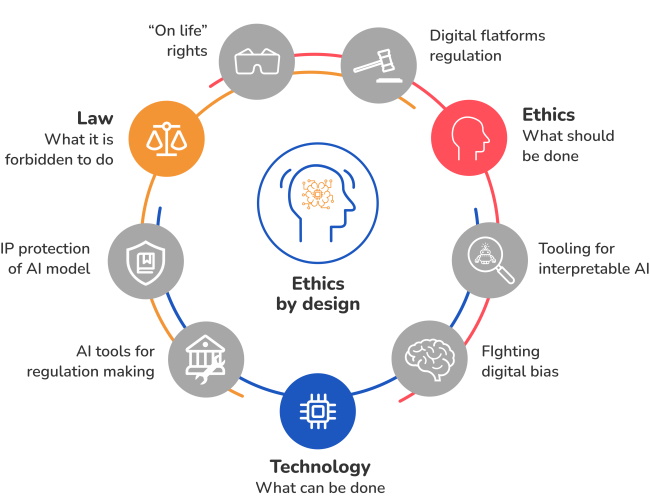
Start with resources like Coursera's guide to AI ethics. In 2026, with regs tightening, ethical AI basics explained here will keep you ahead.
Beginner AI Coding Tips
Ready to code? Python is your best friend for beginner AI coding tips. It's simple and powers tools like TensorFlow. Tip 1: Start with basics—variables, loops, functions. Then, build a simple ML model, like predicting prices.
From DeepLearning.AI: Learn with AI assistance to write, test, and debug code. A great free course is their AI Python for Beginners, building apps like recipe generators.
More beginner AI coding tips:
- Use Jupyter notebooks for interactive coding.
- Practice on datasets from Kaggle.
- Avoid common pitfalls: Clean your data first!
Check this example snippet:
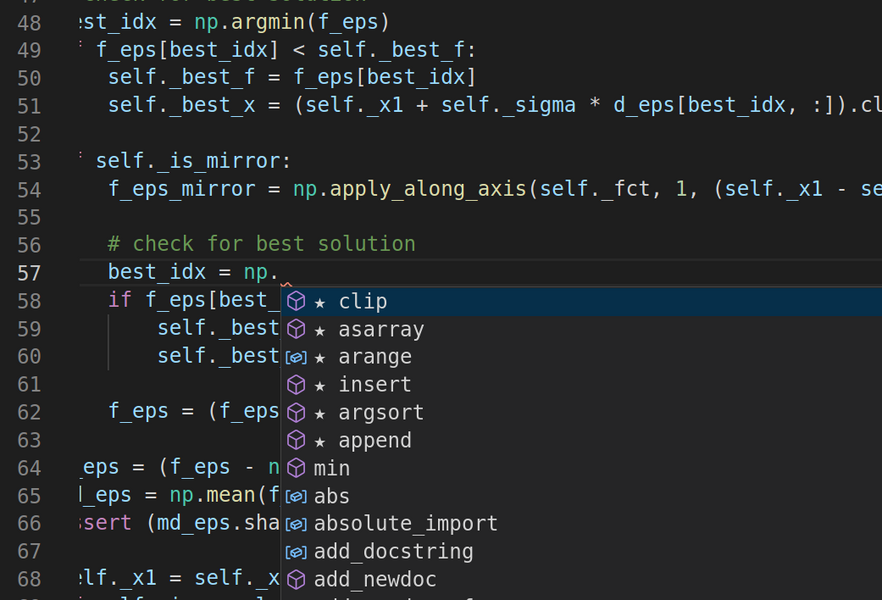
For video tutorials, try this YouTube course on Python for AI. Or Harvard's CS50 AI with Python.
AI-900 Exam Study Aids
If certification calls, AI-900 exam study aids are your shortcut. Microsoft's Azure AI Fundamentals covers basics like ML workloads and ethical AI.
Official study guide: Focus on topics like computer vision and natural language processing. Practice with free assessments.
Other AI-900 exam study aids:
- SkillCertPro Practice Questions: 751 questions with explanations.
- Tutorials Dojo Exams: With cheat sheets.
- Udemy Practice Tests: For hands-on prep.
- Coursera Prep Course: Tips and overviews.
Here's a mind map to visualize:

Aim for 85% on mocks—review regularly for success in 2026.
Wrapping Up: Next Steps in Your AI Journey
You've got the AI bits: From fundamentals to ethics, coding, and certs. Apply them—start with a free resource today. For advanced topics like AI agents, read our internal guide on Moltbook AI Agents: The Powerful Future.
External reads: Python's beginner wiki for more coding. Or Holistic AI's blog on ethics.
Comments
Leave your comments below.